What is Biochar?
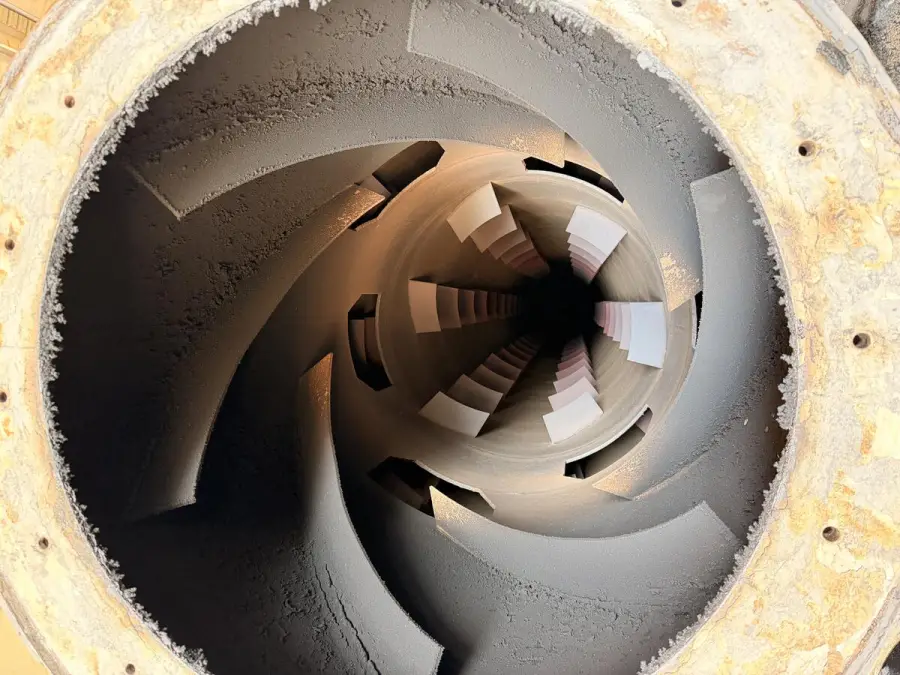
Biochar is a carbon-rich, porous material created through pyrolysis — a process of heating biomass in the absence of oxygen. This ancient technique, used for centuries in the Amazon and Southeast Asia, is now being scaled globally as a critical climate technology.
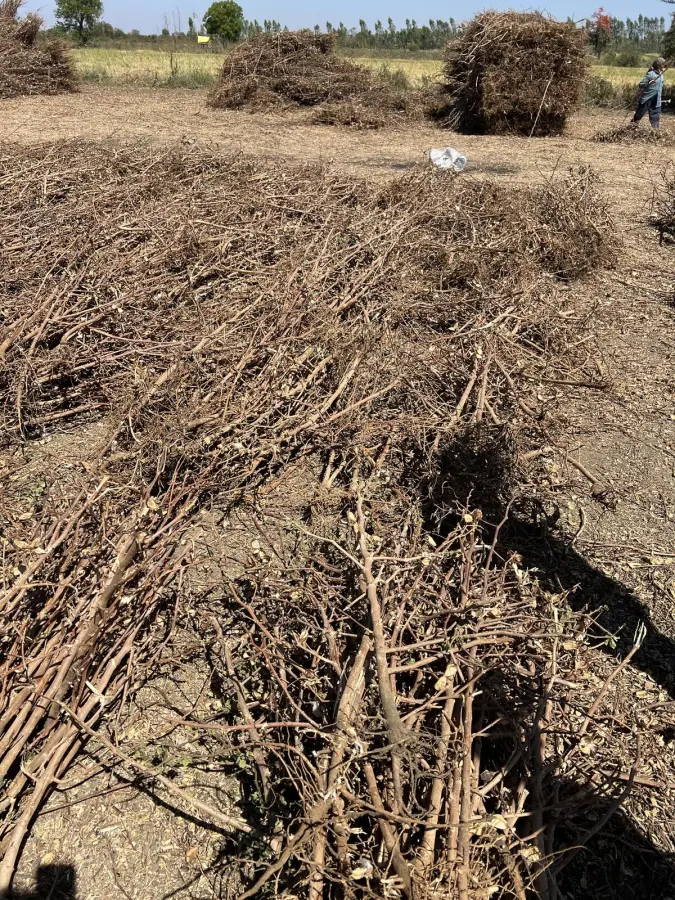
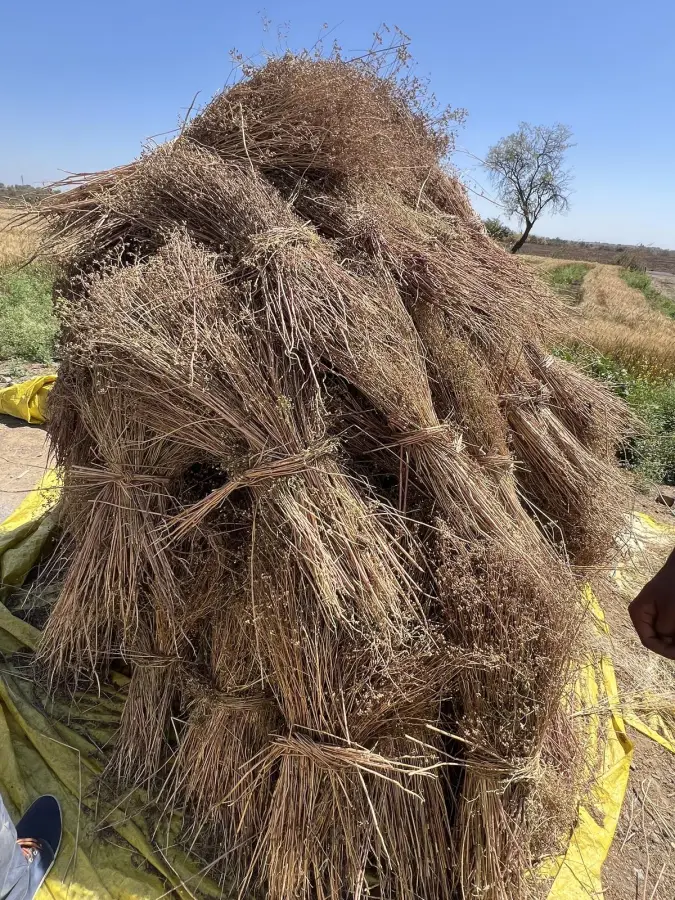
At BIM Carbon Capture, we turn cotton stalks — agricultural waste that farmers would otherwise burn in their fields, causing air pollution — into permanent carbon storage and clean energy.
Think of biochar as fossilized carbon — locking CO2 in a stable form that persists in soil for thousands of years instead of returning to the atmosphere.
The Science Behind Permanence
Carbon Content
Biochar is 40-60% pure carbon by weight, with exceptional stability. It resists microbial decomposition and oxidation — the mechanisms that release CO2 from organic matter.
Longevity
Scientific studies confirm that biochar persists in soil for 1,000+ years. The aromatic carbon structure is fundamentally different from regular plant material.
Porous Structure
The high surface area (300-400 m² per gram) makes biochar an excellent soil amendment, enhancing water retention and nutrient availability.
pH Neutral
Unlike lime, biochar is pH neutral and works in all soil types without acidification concerns, making it universally applicable.
The Multi-Dimensional Benefits
Climate Impact
Permanent carbon sequestration removes atmospheric CO2 for millennia while generating carbon credits
Yield Increase
25% average crop yield improvement through enhanced soil structure and nutrient availability
Water Retention
Increases soil water holding capacity by 50-100%, reducing irrigation needs in arid regions
Nutrient Cycling
Enhances microbial activity and nutrient cycling, reducing synthetic fertilizer requirements
Waste Utilization
Converts cotton stalks and agricultural waste — usually burned in fields — into valuable biochar and energy
Revenue Streams
Farmers earn income from carbon credits while improving soil health and productivity
Biochar vs. Traditional Carbon Solutions
| Factor | Biochar | Direct Air Capture | Tree Planting |
|---|---|---|---|
| Cost per Ton CO2 | $50-100 | $150-300 | $20-50 |
| Carbon Permanence | 1,000+ years | Indefinite | 100-500 years |
| Co-Benefits | Soil + Yields + Energy | Minimal | Biodiversity + Carbon |
| Scalability | Highly Scalable | Limited by Location | Land Constraints |
| Implementation Time | Months | Years | Decades |
Ready to Implement Biochar?
Learn how BIM Carbon Capture can help transform your agricultural operations